Bernice Gallego was just doing her job, but she ended up stumbling upon legit hobby history.
As an antique dealer from Fresno, California, she spent years sorting through estate sales, flipping whatever she could find for a few extra dollars. So when she came across an old, slightly worn 1869 Peck & Snyder Red Stockings card in a pile of items back in 2009, she listed it on eBay for $10 and moved on.
But what happened next is what makes every collector double-check what’s in their possession. It ended up being one of the oldest baseball cards ever authenticated since it was tied directly to the Cincinnati Red Stockings, the first professional baseball team in history.
The card eventually sold at auction for $64,073 ($75,285 with the buyer’s premium). All from a $10 eBay listing she nearly let slip away.
Editor’s Note: Looking to Sell Sports Cards? Here’s How to Do It Quickly & Easily
How She Almost Let $64,000 Walk Out the Door
View this post on Instagram
This incredible story was resurfaced recently by Fanatics Collect on Instagram. Gallego wasn’t a baseball fan and had no reason to think the card was anything special. However, collectors have a sixth sense for this kind of stuff, and this listing immediately got attention from buyers. The sudden flood of interest caught her attention, which led to her pulling the listing before anyone could snag it for a bargain.
As we can see, that ended up being a smart move. PSA authenticated it, confirming that this wasn’t just an old card. It was a legitimate piece of baseball’s origin story.
Why the 1869 Peck & Snyder Red Stockings Card Is Such a Big Deal
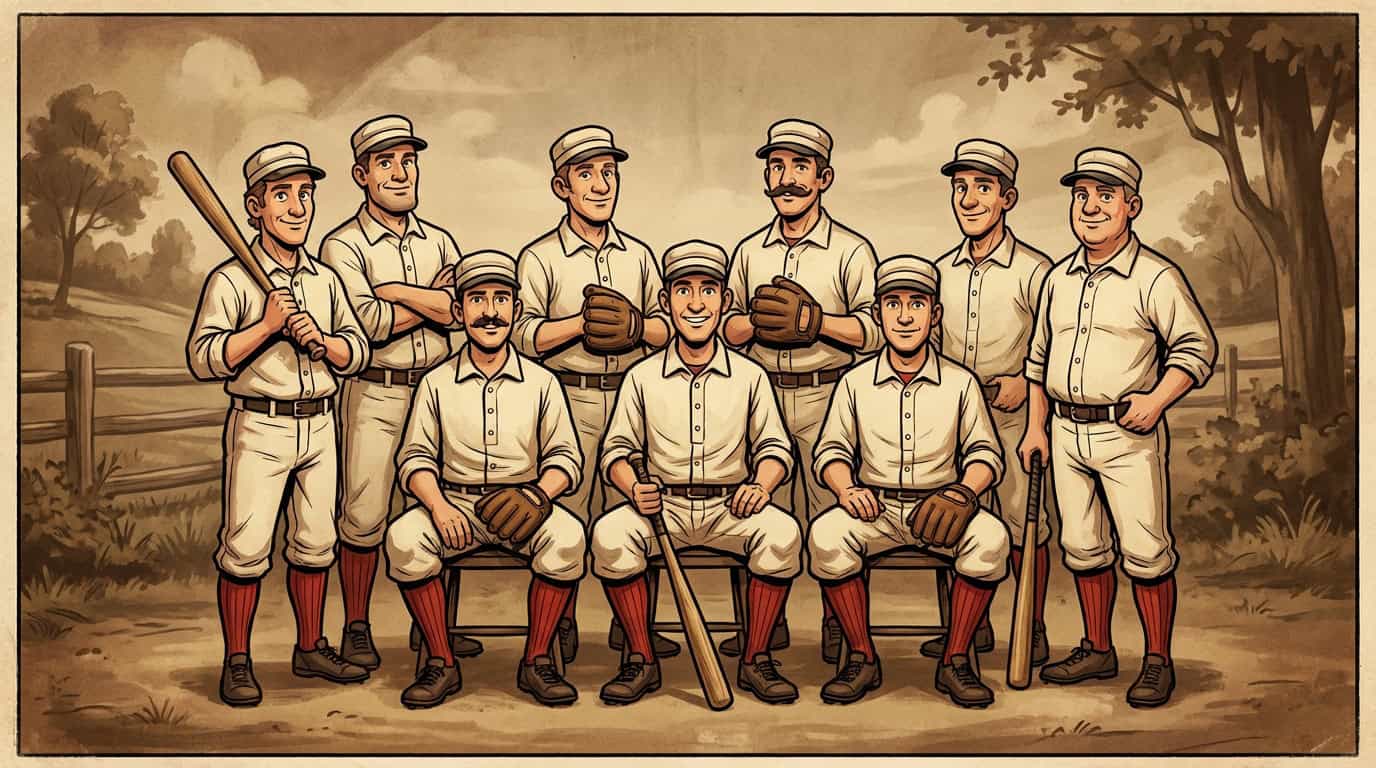
The Cincinnati Red Stockings became the first openly professional baseball team in 1869, making them the first club to pay its players openly and field a full roster of professionals. Peck & Snyder, a New York sporting goods company, produced cards promoting the team, which is what makes this particular piece so significant.
These weren’t mass-produced sets cranked out by a print house. They were promotional items from an era when baseball was still finding its footing.
Survival rates for cards this old are extremely low. Think about everything that has to go right over 150-plus years, like not encountering any natural disasters or well-meaning relatives cleaning out an attic. The fact that this card made it to Fresno via an estate sale, and that Gallego had enough sense to pause before letting it go, is wild. PSA’s authentication confirmed its legitimacy, which is the only way a card this old commands thousands of dollars from serious buyers.
From $10 to $64,073 — Breaking Down the Sale
The final auction price says plenty about how the pre-war card market values rarity and provenance. This isn’t a graded gem mint rookie card with a massive population report driving the price up. What it had instead was irreplaceable historical context and PSA authentication backing up every claim about its origin.
Most 19th-century baseball cards that surface at auction are lucky to draw a few hundred bucks. The combination of the Red Stockings’ historical significance, the Peck & Snyder connection, and the sheer survival story pushed this one into a different tier. It also got a level of media exposure (national press coverage, including an appearance on The Tonight Show with Jay Leno) that drove collector awareness in ways a standard auction listing never could.
What This Means If You’re Sitting on Old Cards
One of the bigger takeaways here for collectors is that Gallego had no idea what she had until she started reading the context clues. She was an antique dealer who priced the card the same way she’d price a used book or a piece of old jewelry. The only reason she caught herself was because the market told her something was off.
Most people won’t get that warning. Cards get sold at garage sales, donated to thrift stores (sometimes accidentally), and tossed in the trash every day by people who genuinely don’t know any better. If you have pre-war cards, which are essentially from the 19th or early 20th century, get them in front of someone who knows what they’re looking at before you price them at all.
The 1869 Peck & Snyder Red Stockings Card is an extreme example, but the lesson Gallego learned can apply everywhere. Know what you have before you let it go.
Love home runs? Sign up for my Substack today and start getting interesting home run-related observations straight to your inbox! And if you’re new to MLB Daily Dingers, it’s probably best to start here.