If you think Hall of Famer Wade Boggs’ ritual of eating chicken before every game was weird, then you’re in for a real treat. Listverse’s Blake Lynch shed light on 10 baseball superstitions from the 19th century that are so bizarre, it’s hard to wrap my head around the fact that players believed in them.
The era between the 1870s and 1905 marked baseball’s transformation from amateur pastime to professional sport, and apparently, the stranger the superstition, the better the luck. From drinking turkey gravy to avoiding redheads, the below 10 baseball superstitions from the 1800s prove that players have always been obsessive about how certain things can impact outcomes on the diamond.
Editor’s Note: New to MLB Daily Dingers? Then Start Here!
The Complete Catalog of 19th-Century Baseball Superstitions

Lynch’s research uncovered plenty of odd beliefs. Here’s what these early baseball pioneers thought would play a role in their success:
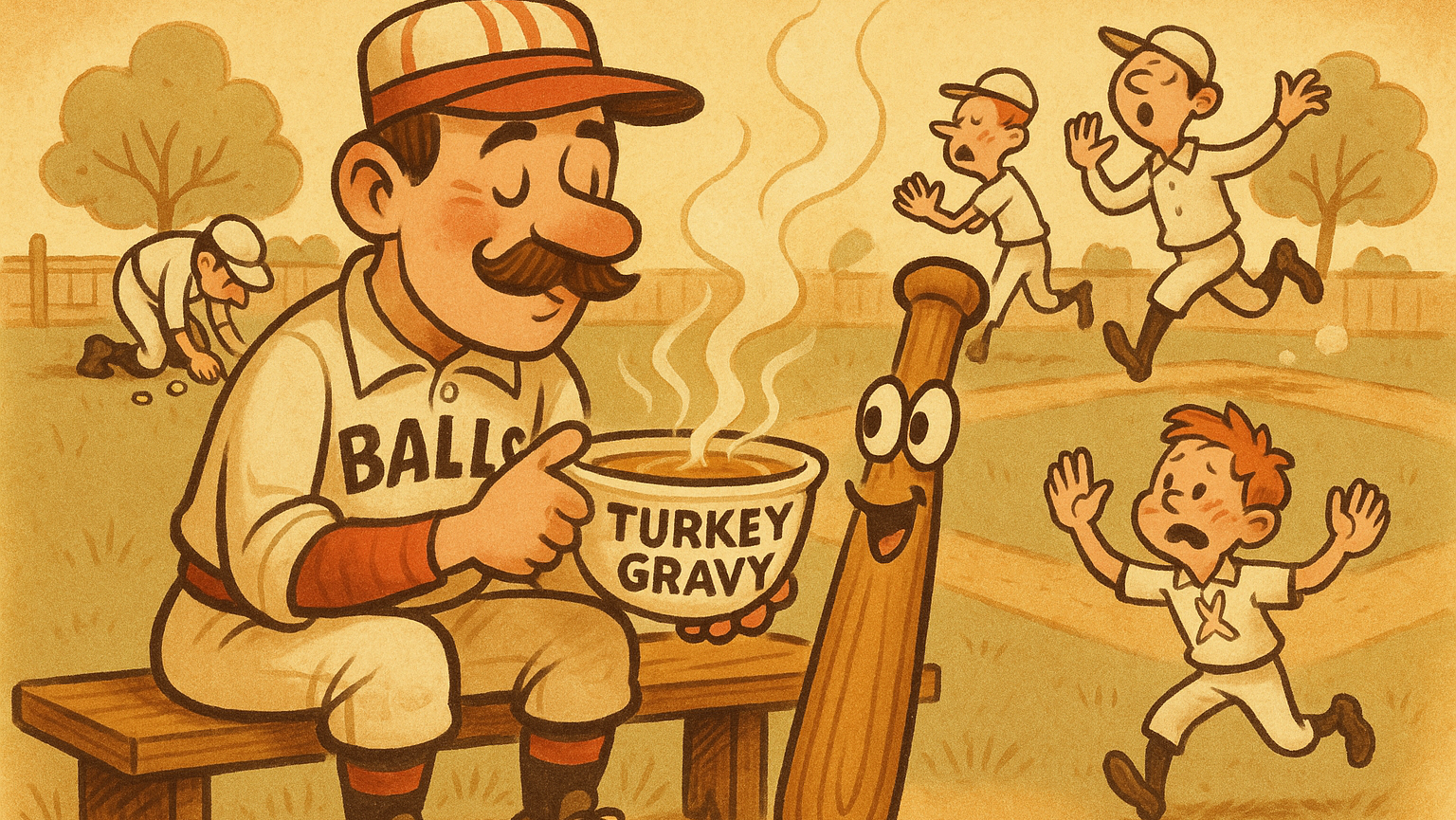
- Turkey Gravy Ritual: The 1894 Baltimore Orioles drank hot turkey gravy before every batting practice, crediting it for their National League pennant win. They must’ve loved Thanksgiving.
- The Evil Eye: Catcher Billy Earle convinced teammates he possessed hypnotic powers and could curse opposing players with his stare. I wonder if that’s where the Janitor got it from on Scrubs.
- Silent Treatment Strategy: Cap Anson refused to speak with his starting pitcher before games, believing conversation would jinx the team’s performance.
- Personified Bats: Pete “The Louisville Slugger” Browning named his bats, talked to them like friends, and retired each one after believing it had used up its predetermined number of hits. He and Pedro Cerrano would’ve probably been buddies.
- Pocket Pebbles: Shortstop “Pebbly Jack” Glasscock collected small stones from the infield dirt, storing them in his pocket to prevent bad hops during crucial plays. I used to keep a quarter in my back pocket for a couple of seasons, so I feel this one on a deeper level.
- Hex Detection: Second baseman “Blackjack” Burdock blamed a cross-eyed woman spotted in a building window for cursing his team’s performance against Cincinnati. Because, well, of course that’s why it happened.
- Base Path Avoidance: “Bad Bill” Eagan never walked directly from the bench to second base. Instead, he took elaborate detours around first or third base every time.
- First-Pitch Obsession: Bud Fowler swung at the first pitch over the plate, regardless of location.
- Living Mascots: Buck Ewing and the New York Giants employed street children, a ring-tailed monkey, and a toy barking dog as their official good luck charms. It’s only ridiculous if it doesn’t work, right?
- Redhead Phobia: Bill Gleason turned “ghostly white” whenever he spotted a red-haired boy carrying baseball equipment, convinced it spelled disaster for his team.
The Science Behind the Turkey Gravy Title
The 1894 Orioles’ turkey gravy ritual deserves special attention because it coincided with legitimate success. Lynch noted that this team was superstitious but also historically dominant. Every starter hit above .300, while five players drove in over 100 runs. Even more noteworthy was the fact that the roster had six future Hall of Famers.
They weren’t just drinking gravy and hoping for the best, though. Baltimore also gamed the system by icing baseballs to make them harder to hit, spreading soap around the pitcher’s mound to mess with opposing hurlers, and deliberately creating lopsided baselines that caused bunts to roll foul. This all reveals something fascinating about 19th-century baseball psychology.
The turkey gravy wasn’t just superstition. It was team bonding disguised as something much more important. When you’re already bending rules and working every angle, why not add a daily dose of confidence with a team-wide activity?
The Tragic Psychology of Pete Browning’s Bat Obsession
Known as “The Louisville Slugger,” Browning pioneered custom-made bats while playing through serious medical conditions that left him nearly deaf while suffering headaches. He named each bat, held conversations with them, and genuinely believed every piece of wood contained a finite number of successful hits. Once that limit was reached, the bat was retired, regardless of its physical condition.
I feel like this type of superstition is still alive today, but just in very different forms.
Considering Browning’s circumstances, this behavior has quite a bit of meaning. Playing pro ball while managing significant hearing loss and chronic pain required a lot more mental fortitude than players not dealing with those ailments. His bat rituals likely gave him some control in a situation where a lot was consistently out of his control.
Browning shows how baseball superstitions can serve as coping mechanisms to get ready and play, rather than thinking they can magically bring positive results. When players face uncertainty, routine behavior like supersititons provides a mental anchor that helps maintain confidence and focus.
Love home runs? Sign up for my Substack today and start getting interesting home run-related observations straight to your inbox!