The magic of Minor League Baseball isn’t found in huge contracts or primetime TV deals. It’s discovered in moments like these.
A recent Guinness World Record achievement shows how baseball continues to resonate with communities across the country. What started as an ambitious marketing campaign turned into something more significant, as noted by MLB.com’s Rob Terranova. The numbers tell an amazing story: over 6,000 signatures collected during a cross-country journey that spanned multiple weeks and communities.
Editor’s Note: New to MLB Daily Dingers? Then Start Here!
The Record-Breaking Numbers and Journey Details
View this post on Instagram
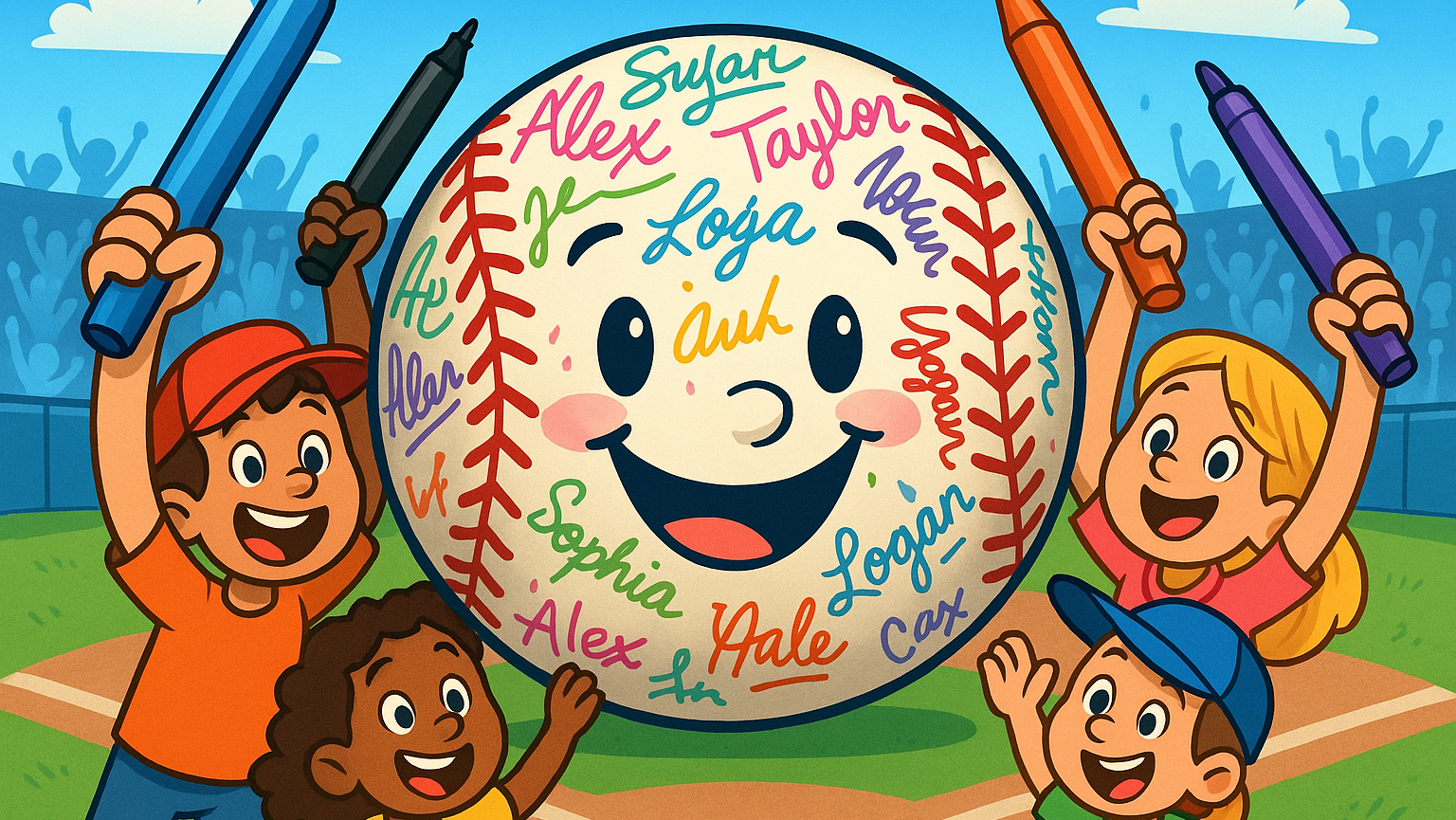
The massive 8-foot diameter, 1,200-pound replica baseball began its journey from Victory Field in Indianapolis on June 24, covering 2,600 miles over six weeks. The goal was clear: create the world’s most autographed baseball and shatter existing records for signatures on sports memorabilia.
Commissioner Rob Manfred provided the final signature outside MLB Headquarters in New York City, officially setting the new Guinness World Record at 6,750 verified signatures. This achievement demolished the previous record of 2,146 signatures, which was accomplished by Cambridge United Football Club on an inflatable team jersey.
The baseball’s cross-country tour included stops at 15 ballparks, visiting teams like the Fort Wayne TinCaps, Toledo Mud Hens, Dayton Dragons, Louisville Bats, Columbus Clippers, Akron RubberDucks, Rochester Red Wings, Syracuse Mets, Binghamton Rumble Ponies, Buffalo Bisons, Erie SeaWolves, Altoona Curve, Lehigh Valley IronPigs, and Jersey Shore BlueClaws.
According to Guinness adjudicator Andy Glass, the Lehigh Valley stop produced the most signatures from a single organization (569 autographs), while the final day in New York generated the highest single-day total (684 signatures). The baseball traveled in a specially designed clear acrylic case, making it visible on the highway, which made for an interesting discovery while traveling.
The Psychology Behind Record-Breaking Fan Participation
Traditional autograph collecting follows a predictable pattern. Fans seek signatures from the pro ballplayers they admire, creating one-way interactions that take place on a nightly basis from spring through the fall. This record-setting project flipped the dynamic, turning everyday fans into active contributors to baseball history.
The psychological appeal runs deeper than just participating. When supporters add their names to something destined for the record books, they’re claiming ownership in baseball’s ongoing narrative. It’s the same impulse that drives people to carve initials in stadium seats or save ticket stubs from memorable games. Everyone wants to document their attendance or role in the experience.
Why Minor League Baseball Continues Dominating Community Engagement
This record showcases Minor League Baseball’s skill of authentic fan connection. While MLB organizations can struggle with perceived elitism and astronomical pricing, the minor league circuit has doubled down on what originally made baseball America’s pastime: community integration and shared experiences.
The touring concept shows an understanding of modern fan psychology. Rather than expecting people to come to them, they brought the experience directly to communities, making it as easy as possible. This acknowledges how entertainment consumption has evolved – fans want experiences they can participate in, not something they can just watch.
For example, the idea to make the journey of this baseball visible on the highway throughout the summer was brilliant. Families traveling between vacation spots suddenly encountered an unexpected piece of history, making it an instant conversation starter.
The Cultural Impact of Participatory Sports Marketing
Traditional marketing focuses on selling tickets and merchandise, but this initiative created a shared cultural artifact that belongs as much to participants as to the organization itself. In an era when digital interactions dominate and authentic community experiences feel rare, this project offered something special.
What’s particularly clever is how this approach sidesteps typical fan fatigue around corporate sponsorships and promotional gimmicks. Instead of asking people to buy something or promote something, organizers simply invited them to sign their name on a ball. That distinction matters quite a bit when it comes to building genuine connections.
The multi-week journey also created sustained engagement rather than your typical single-day promotional spikes. Each stop built momentum for the next, creating a rolling narrative that communities could follow and anticipate.
Love home runs? Sign up for my Substack today and start getting interesting home run-related observations straight to your inbox!