The 1957 Topps set holds a special place in the hobby, and for good reason. What makes this year so compelling for collectors?
David Gonos of the Happy Hobby Newsletter shared what he believes are the best 1957 Topps Baseball rookie cards. I enjoyed his list, so I picked my five favorites to highlight below.
Editor’s Note: The Sports Card Cash-Out System Guide is Here… Buy it now!
The 1957 Topps Baseball Rookie Cards Lineup
According to Gonos, these five rookies are part of the group that helped define the 1957 Topps release:
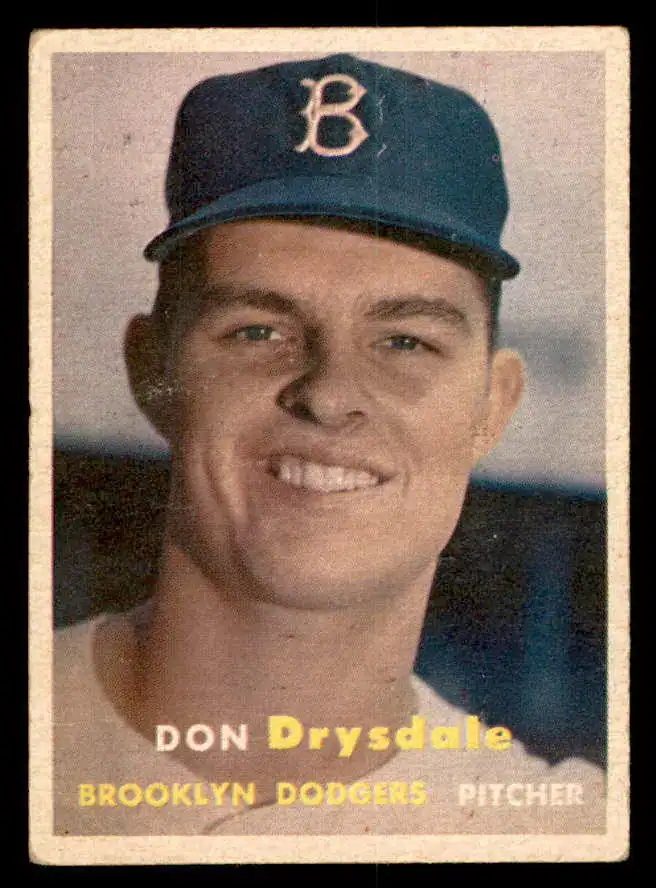
Don Drysdale (#18): The intimidating Dodgers right-hander, who’d become one of baseball’s most feared pitchers. His Hall of Fame career included 209 wins, a Cy Young Award, nine All-Star Game selections, and three World Series titles.
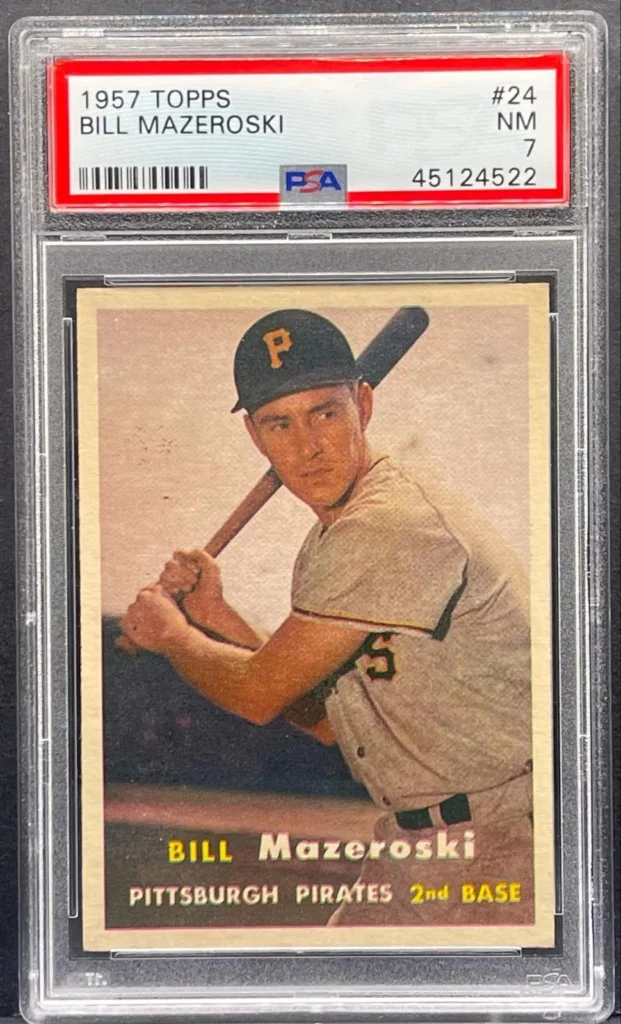
Bill Mazeroski (#24): The slick-fielding second baseman is best remembered for his World Series-winning home run in 1960. However, the Hall of Famer was an elite defender and won eight Gold Gloves.

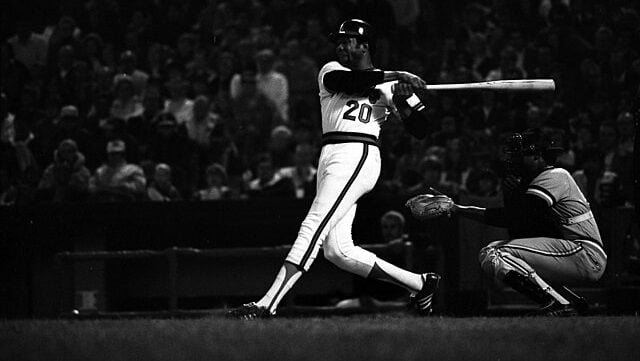
Frank Robinson (#35): The first player to win MVP awards in both leagues, Robinson’s rookie card captures the beginning of a legendary journey that’d lead to him slugging 586 career home runs.

Rocky Colavito (#212): A fan favorite in Cleveland, Colavito was known for his outfield arm, as well as his ability to launch taters.

Brooks Robinson (#328): The “Human Vacuum Cleaner” at third base! Robinson’s 16 consecutive Gold Gloves and clutch 1970 World Series performance cemented his legacy as one of the greatest defensive third basemen ever.
Frank Robinson: A Rookie Card Worth the Investment
Frank Robinson didn’t just arrive in the majors—he exploded onto the scene. The right-handed slugger won the 1956 Rookie of the Year award before his 1957 Topps card even hit the market. That makes this card particularly significant from a collecting standpoint.
The valuation on Robinson’s rookie has been consistently strong. High-grade examples regularly fetch thousands at auction, and PSA 8 copies have traded hands for $3,000 to $5,000, depending on what’s going on in the market.
Plenty of accomplishments and milestones have helped drive this value. Robinson becoming the first African American manager in both leagues, combined with his Triple Crown season in 1966 and his 1982 Hall of Fame creates several angles that keep demand high.
His career triple slash of .294/.389/.537 with 586 home runs speaks for itself. I mean, those dingers still rank 10th on the all-time list despite Robinson not suiting up for a game as a player in nearly 50 years.
Rocky Colavito: The Rock’s Enduring Appeal
Rocky Colavito’s card is a fascinating study in regional collecting power. Colavito is still beloved in Cleveland, which creates sustained demand for his cardboard among Ohio collectors who remember watching him at Municipal Stadium or heard stories from the ones who did.
Colavito’s career numbers (374 home runs with nine All-Star selections and a .266/.359/.489 slash line) make him an interesting case study. He’s not a Hall of Famer (definitely in the Hall of Very Good), but his cards have maintained solid value thanks to his popularity. It also helps that he put together a memorable 1959 season (42 homers and 111 RBI), which included him being one of now 21 players to hit four homers in one game.
What I find particularly intriguing about Colavito’s rookie card is its position in the set. Higher-numbered cards from vintage sets can deal with condition challenges due to printing and distribution patterns, which makes it more difficult to find clean copies. That scarcity factor adds another layer to the card’s appeal for serious collectors chasing complete high-grade sets.
The 1957 Topps Release and Its Lasting Hobby Impact
The 1957 Topps baseball release marked a turning point in the hobby. This was the year Topps expanded their set to 407 cards and introduced innovative design elements that’d influence card aesthetics for decades.
What makes 1957 particularly significant is the quality of the rookie class combined with the set’s visual appeal. The larger card size (measuring 2-5/8″ by 3-3/4″) gave Topps room to showcase player photos better, and the colorful design with player photos set against solid backgrounds created an immediately recognizable look that collectors still love.
For collectors building vintage portfolios, 1957 Topps offers that sweet spot of accessibility and prestige. You’re not paying 1952 Topps Mickey Mantle money, but you’re acquiring pieces of cardboard history that feature all-time greats at the beginning of their big-league journeys.