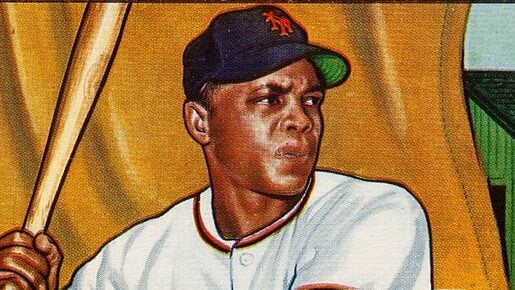
Willie Mays accomplished something during his Hall of Fame career that sounds almost fictional when you first hear it — I know I didn’t believe it initially. And thanks to an MLB rule change, it’s unlikely to ever be matched, let alone broken.
This Willie Mays HR record is so unique and so dependent on the specific conditions of old-school baseball that it’s been effectively locked away in the history books forever. It’s the ultimate “frozen in time” achievement.
The Willie Mays HR Record That MLB Now Made Impossible

According to SABR, Mays hit at least one home run in 16 different innings during his career—from the first inning all the way through the 16th. If that’s not an unbreakable record now, then I don’t know what is.
MLB introduced the automatic runner rule for extra innings in 2020, which immediately puts a player on second base beginning in the 10th inning. The goal was to speed up games and reduce the marathon 15-, 16-, and 17-inning contests that used to happen. And it worked—games now rarely last beyond the 11th or 12th inning.
This rule also virtually guaranteed that Mays’ record will stand forever. Modern players won’t get enough opportunities to make this happen. The 15th and 16th innings are extremely rare (as are the 12th, 13th, and 14th innings, if we’re being honest), which means Mays’ accomplishment is now as untouchable as it gets.
Mays’ career splits show just how dangerous he was at literally any point in a game:
- Innings 1-3: .944 OPS with 251 homers
- Innings 4-6: .916 OPS with 192 homers
- Innings 7-9: .963 OPS with 191 homers
- Extra Innings: .993 OPS with 21 homers
That .993 OPS in extras? Absolutely bonkers. Most hitters would be thrilled with those numbers in any situation, let alone when everyone’s exhausted in the 14th inning.
The Stats Behind Why This Record Is Untouchable
According to MLB data, the average extra-inning game in 2024 ended in the 10th or 11th inning about 85% of the time. Only about 10% made it to the 12th, and games reaching the 13th inning or beyond became statistical rarities.
That’s probably why we enjoyed the 15-inning marathon between the Mariners and Tigers in 2025 ALDS Game 5!
Even if a modern player somehow managed to homer in every inning from the first through the 12th (which would already be incredibly difficult), they’d still fall short of Mays’ mark. And getting those 13th-, 14th-, 15th-, and 16th-inning homers? The math just doesn’t work anymore.
The Moments That Completed Willie’s Impossible Puzzle
Mays built this record over 17 years, and the final pieces came together in legendary fashion. His 1951 rookie campaign saw him check off 10 different innings right out of the gate. By 1954, he’d added the third and 14th innings. A year later, the 11th and 12th fell.
But the crown jewels of this achievement—the 15th and 16th inning homers—took longer to accomplish (as one might expect).
Interestingly enough, the 16th came first. On July 2, 1963, Mays launched a solo shot against Milwaukee in one of baseball’s most famous pitching duels. Juan Marichal and Warren Spahn both threw complete games in a 1-0 contest that stretched 16 innings. Mays’ homer was the only run scored.
The final piece arrived on September 27, 1968, when Mays homered in the 15th inning against Cincinnati. Mission accomplished. Seventeen years to complete his collection, but he got there—and now no one else ever will.
Collecting Willie Mays: Cards That Capture Greatness
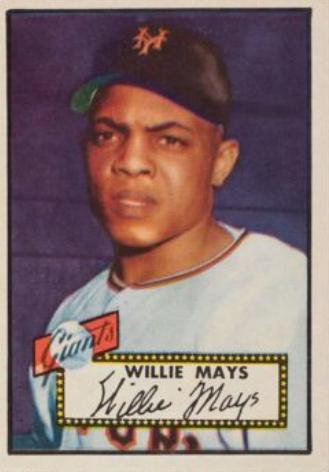
If you want to own a piece of this history, Willie Mays baseball cards are some of the hobby’s most sought-after treasures. His 1952 Topps rookie card is the crown jewel—PSA 9 examples regularly sell for $100,000 or more, while the ultra-rare PSA 10s can fetch $500K.
But don’t let those numbers scare you off. Mid-grade examples (PSA 4-6) offer a realistic entry point at $3,000-$15,000 (although that’s still too rich for my blood), and his 1954 Topps card provides another accessible option at $200-$500 in decent condition.
For collectors focused on investment potential, Mays cards have been quite stable. His legacy is secure, and demand remains consistently strong across all grades and years for one of MLB’s best all-time players.
Love home runs? Sign up for my Substack today and start getting interesting home run-related observations straight to your inbox! And if you’re new to MLB Daily Dingers, it’s probably best to start here.