When most collectors think about vintage 1970s baseball cards, they typically gravitate toward the flashier sets. However, 1977 Topps baseball cards deserve some serious attention. While this set might not scream “investment opportunity” at first glance, seasoned collectors know there’s gold hiding in these understated designs.
Sports Illustrated’s Jason Schwartz recently put the spotlight on five 1977 Topps cards that offer great value for those willing to look beyond the surface. You know, sometimes the best collecting opportunities come from the sets everyone else overlooks.
Editor’s Note: New to MLB Daily Dingers? Then Start Here!
The Complete Lineup: 5 Essential 1977 Topps Baseball Cards
According to Schwartz, here are the five cards that define this set:
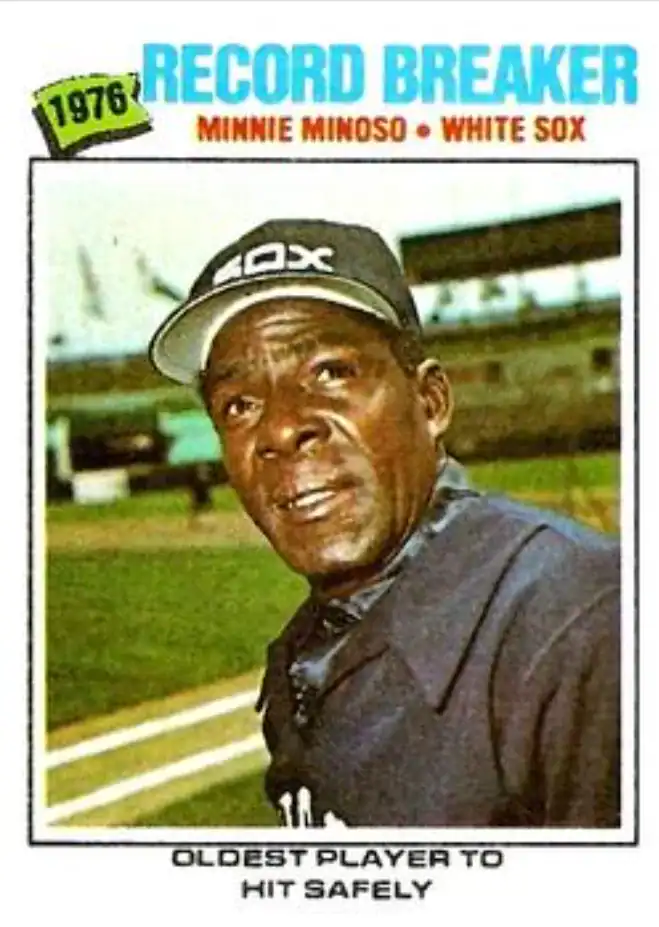
Minnie Miñoso Record Breaker: This card captures one of baseball’s most incredible comeback stories, featuring a 52-year-old Miñoso who proved age is just a number by recording a hit in the big leagues 12 years after he had last played.
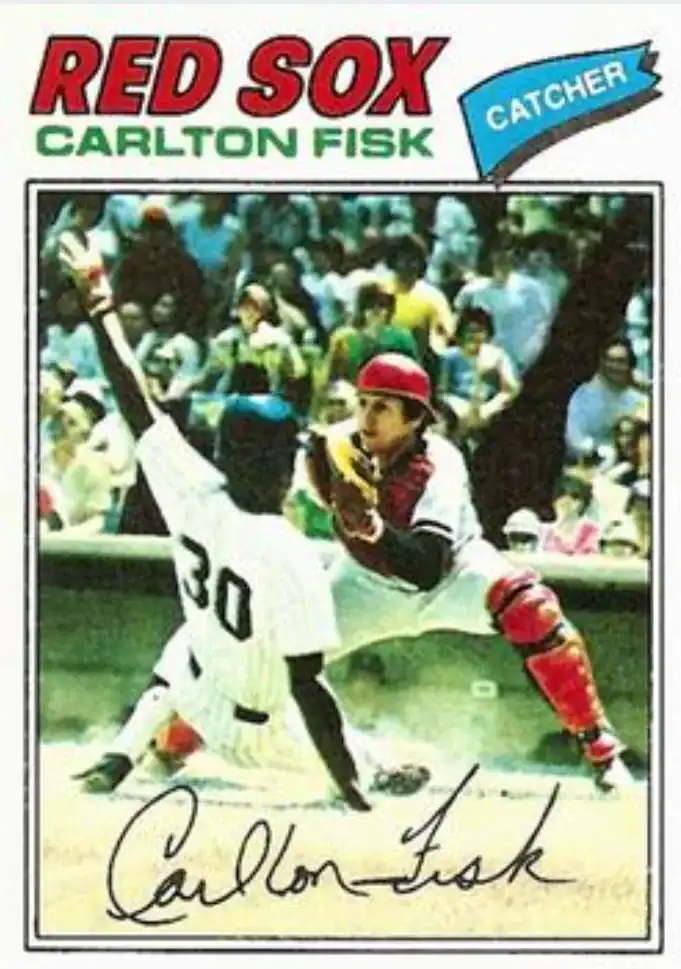
Carlton Fisk: This incredible action shot displays one of the era’s greatest catchers in a play at home plate.

Maury Wills Turn Back the Clock: The only landscape-oriented card in the subset, this documents the moment Wills stole his 104th base.
This is the front and back of the Reggie Jackson proof. Almost look like a box bottom. #UnchartedCollection pic.twitter.com/S0G8w5yRVi
— Uncharted Collection (@autobilia) August 30, 2023
Reggie Jackson PROOF: Possibly the holy grail of 1970s collecting, this rare variation stands alongside the T206 Wagner in terms of desirability and mystique.
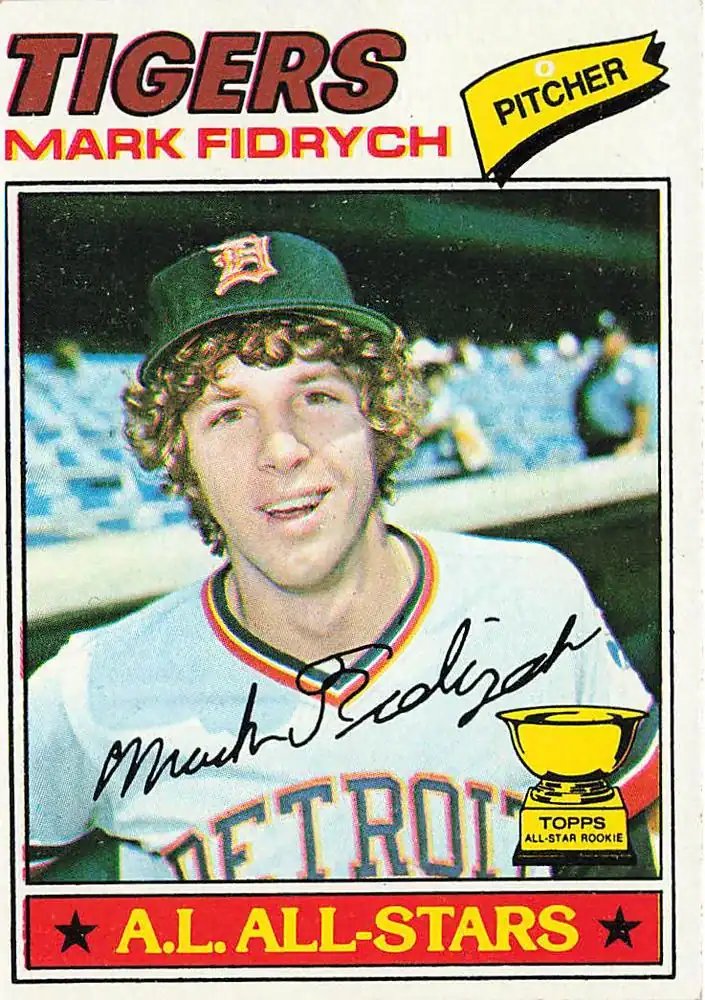
Mark Fidrych: The Bird takes flight on cardboard, capturing the eccentric pitcher who became baseball’s most beloved character despite winning just 29 career games.
The Reggie Jackson PROOF: Baseball’s Ultimate Holy Grail
When discussing the most coveted baseball cards of all time, you can’t leave out the legendary 1977 Topps Reggie Jackson PROOF card. This is an impossibly rare card, standing alongside the T206 Honus Wagner as one of the hobby’s true white whales.
The PROOF designation refers to a pre-production test print that somehow escaped Topps’ quality control process. These cards were never intended for public release, making their existence a glimpse into the 1970s card manufacturing process.
For collectors, the Jackson PROOF represents the ultimate intersection of rarity, historical significance, and collecting mystique. The card’s legendary status has only grown over the decades, cementing its position as possibly the most sought-after piece of 1970s cardboard ever produced.
Carlton Fisk: The Underrated Catcher Card
Johnny Bench’s iconic 1976 card or Thurman Munson’s 1971 rookie typically dominate most discussions about 1970s catcher cards. But the 1977 Carlton Fisk deserves consideration as the decade’s most dynamic catcher card. It captures Willie Randolph sliding into home with Fisk positioned perfectly for the tag.
This card signifies everything great about 1970s baseball photography: authentic game action, perfect timing, and that gritty aesthetic that made baseball cards feel like windows into the action. Fisk’s Hall of Fame credentials speak for themselves, too. He racked up 11 All-Star appearances to go along with 376 home runs during his 24-year career. Fisk also owns that legendary 1975 World Series moment that every baseball fan knows about.
While Bench and Munson cards command premium prices, this Fisk card offers similar visual appeal and Hall of Fame pedigree at a fraction of the cost. Just something to think about as a potential opportunity for collectors.
The Legacy and Impact of 1977 Topps Baseball Cards
The 1977 Topps set occupies a fascinating position in baseball card history. It’s the overlooked middle child that’s quietly building a reputation among serious collectors. Without the rookie card firepower of surrounding years, this set forces collectors to appreciate superior photography, historical significance, and aesthetic appeal.
For today’s collectors, this set represents an opportunity to own vintage cardboard without the premium prices attached to more famous sets. As more collectors discover what seasoned vets already know (great cards aren’t always about rookie pedigree), this set’s reputation will continue growing.
The beauty of collecting lies in recognizing value before the market catches up. The 1977 Topps set offers that opportunity, wrapped in some of the decade’s best photography and most interesting stories.
Love home runs? Sign up for my Substack today and start getting interesting home run-related observations straight to your inbox!