When the golden age of Donruss baseball cards is discussed, the 1986 set consistently ranks among the most coveted. While Topps dominated the landscape for decades, this particular year marked a shift.
Sports Illustrated’s Jason Schwartz recently put the spotlight on five cards from this legendary set that have emerged as essentials for any serious collection.
Editor’s Note: New to MLB Daily Dingers? Then Start Here!
5 Donruss Baseball Cards That Define Excellence
Here are the five cards that transformed Donruss from an afterthought into a powerhouse, according to Schwartz:
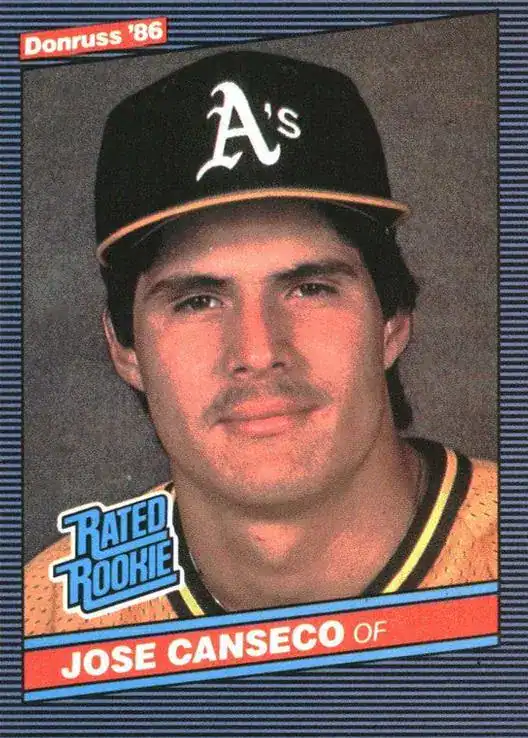
Jose Canseco (#39): His rookie solo card gave Donruss a huge competitive advantage over Topps and Fleer, who either omitted him entirely or paired him with lesser-known players.

Fred McGriff (#28): This was the future Hall of Famer’s only mainstream rookie card appearance, making it an exclusive gateway to owning the Crime Dog’s cardboard debut.

Dwight Gooden (#33): This card features Doc’s otherworldly 1985 stats (24-4, 1.53 ERA, 268 strikeouts), which led to him winning the National League Cy Young and placing fourth in NL MVP Award voting.

Pete Rose “King of Kings” (#4): This is Dick Perez’s masterpiece celebrating baseball’s new hit king. It was widely considered the best Rose tribute card from any manufacturer in 1986.

Dennis “Oil Can” Boyd (#176): A cult favorite elevated by an unforgettable leather jacket that captured the pitcher’s unique personality and swagger.
Why Jose Canseco Was The Difference Maker
The Canseco phenomenon shouldn’t be overstated when looking back on 1986’s collecting landscape. While other rookies made noise that season, none possessed his combination of raw power, speed, and charisma that caught the attention of both casual fans and hardcore collectors.
What made his Donruss card valuable was the market exclusivity. Topps completely whiffed by leaving him out of their base set, while Fleer put him on a shared rookie card with pitcher Eric Plunk. This created a perfect storm where Donruss held the only solo rookie card of Canseco. The result? Pack sales skyrocketed as collectors desperately hunted for card #39, transforming Donruss from a budget alternative into the must-buy product.
Fred McGriff’s Hall of Fame Vindication
McGriff being here carries extra weight given his eventual Cooperstown enshrinement. He’s the only player from this rookie class to achieve baseball immortality. His 1986 Donruss card represents the left-handed slugger’s sustained excellence during his 19-year career.
The exclusivity factor mirrors Canseco’s situation, but it’s still a little different. Neither Topps nor Fleer included McGriff in their 1986 offerings — not even in their traded sets. This created an opportunity for Donruss to corner the market on a what would become a future Hall of Famer’s rookie card. Today, that has led to premium values for collectors who recognize the significance of owning the only mainstream option for one of baseball’s most consistent power hitters during his era.
The Lasting Impact of 1986 Donruss Baseball Cards
The 1986 Donruss set fundamentally altered the baseball card industry’s competitive dynamics. Before this release, Donruss was viewed as the clear third option behind Topps and Fleer. However, strategic decisions and improved production quality helped elevate the brand into becoming a true contender within the industry.
This wasn’t necessarily an accident, though — they had been preparing for this chance. Donruss spent previous years refining photos, introducing popular subsets like “Diamond Kings” and “Rated Rookies,” and creating artificial scarcity that made their products feel more premium than competitors. Their 1986 release brought everything together, as they delivered exclusive cards that collectors couldn’t find anywhere else.
The five cards Schwartz highlighted represent different aspects of what made 1986 Donruss special: rookie exclusivity, Hall of Fame prestige, artistic excellence, and personality. For modern collectors, these cards offer both historical significance and lasting appeal that goes beyond the era they were produced.
Love home runs? Sign up for my Substack today and start getting interesting home run-related observations straight to your inbox!



4 responses to “These 5 Donruss Baseball Cards from 1986 Are Must-Haves For Collectors”
what can you get from owning them cards
I’ve put a lot of cards on eBay and none of them are selling
Maybe they need to be priced differently? The PSA Card app allows you to scan them to see recent sales data for different types of condition. It may also be worth trying some other marketplaces other than eBay if you’re having no luck there.
I have hundreds of early 80’s to 90’s cards,I looked up at least 150 of them , the highesti found before I have up was a Valenzuela card with 20 bucks, evidently having cards from that time are pretty much junk
That’s why they carry the nickname “Junk-Era” they were mass produced and fairly cheap compared to today’s cost!