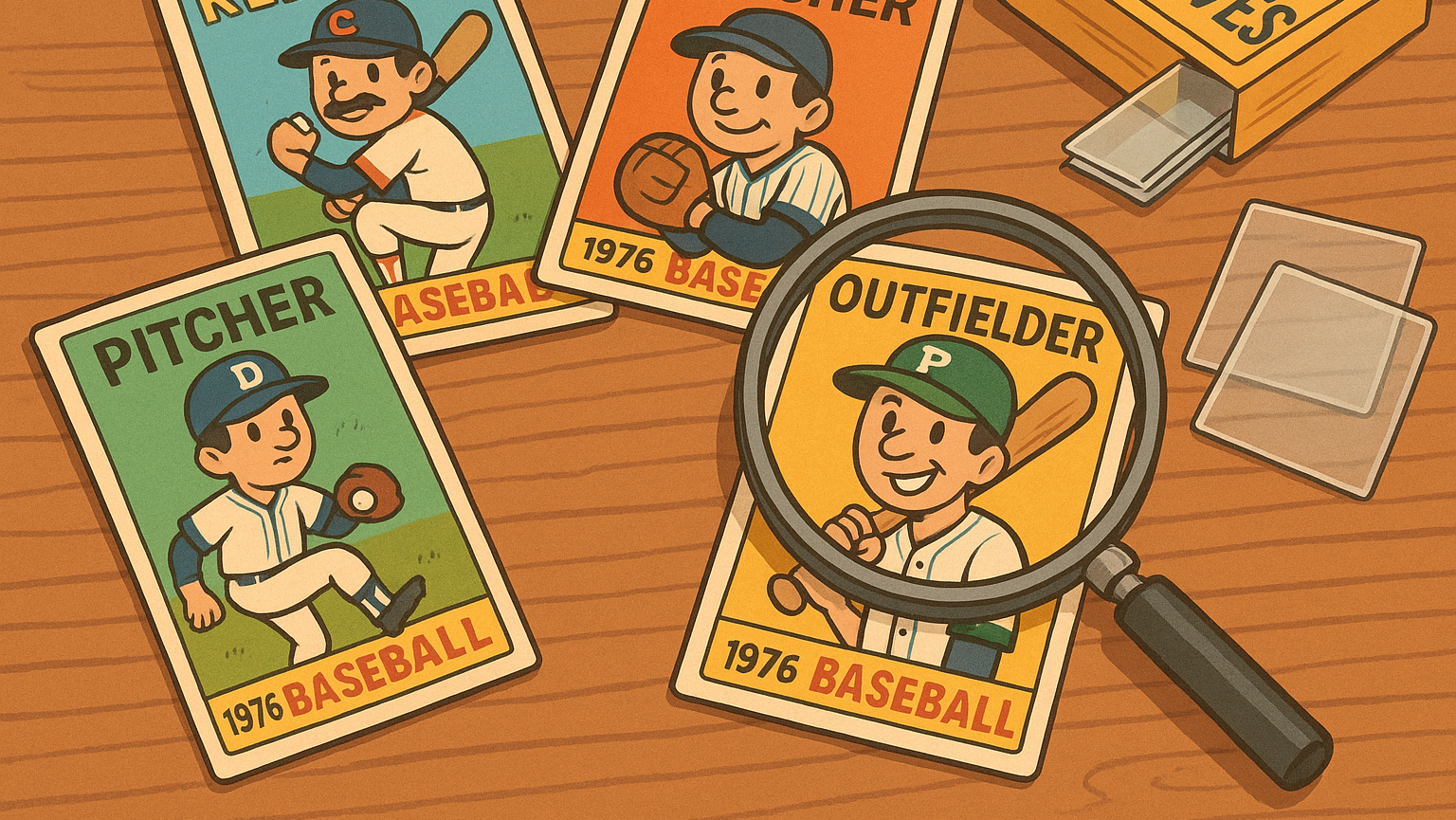
The 1976 Topps baseball card set might not grab headlines like some others, but serious collectors know there’s hidden gold in this often-overlooked release. Most fans chase after the marquee rookie cards from other years. However, 1976 Topps baseball cards offer authentic vintage appeal at accessible prices while being packed with Hall of Fame legends and iconic photography.
Sports Illustrated’s Jason Schwartz recently highlighted five “essential” cards from this set that deserve serious attention. With more than 10% of the set featuring future Hall of Famers, these cards deliver both nostalgia and investment potential.
Editor’s Note: New to MLB Daily Dingers? Then Start Here!
5 Must-Have Topps Cards from the 1976 Set
Here are the five baseball cards that define the 1976 Topps collection, according to Schwartz:
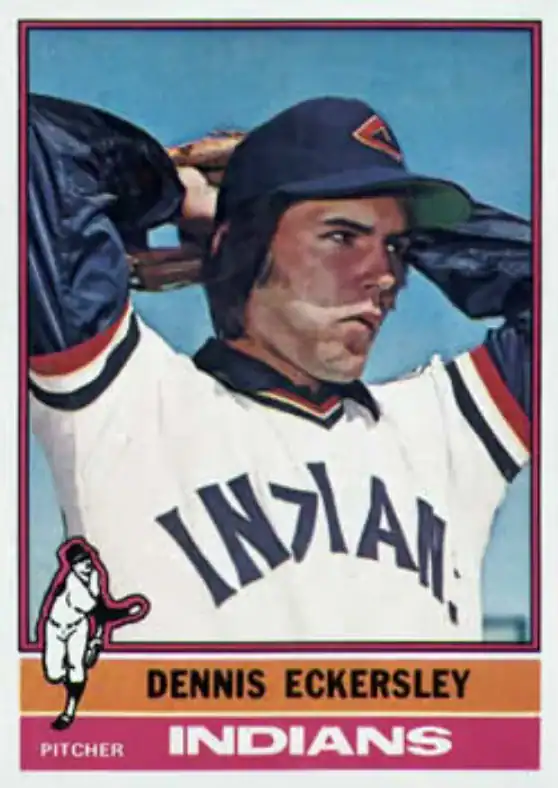
Dennis Eckersley (#98): The sole Hall of Fame rookie card in the set features the future Oakland closer during his early days as a starting pitcher in Cleveland.
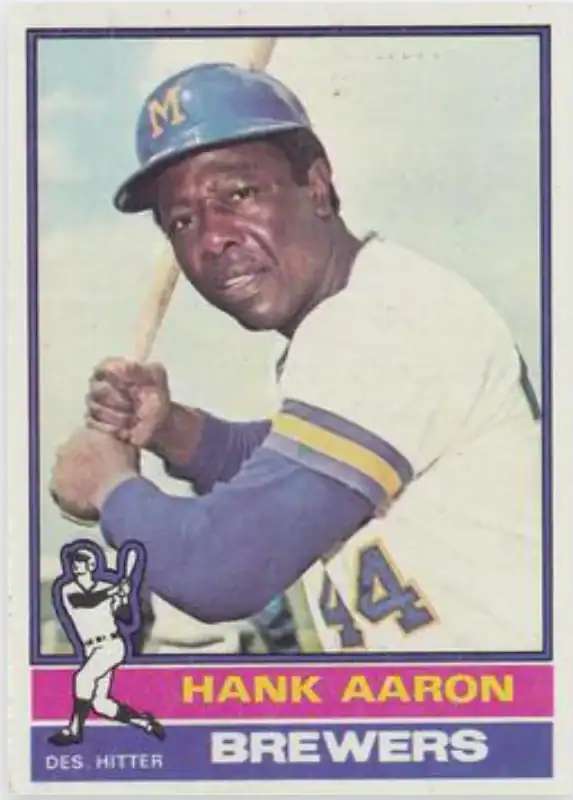
Hank Aaron (#550): Hammerin’ Hank’s final playing-days card, taken by legendary baseball photographer Doug McWilliams, marking the end of one of baseball’s greatest careers.
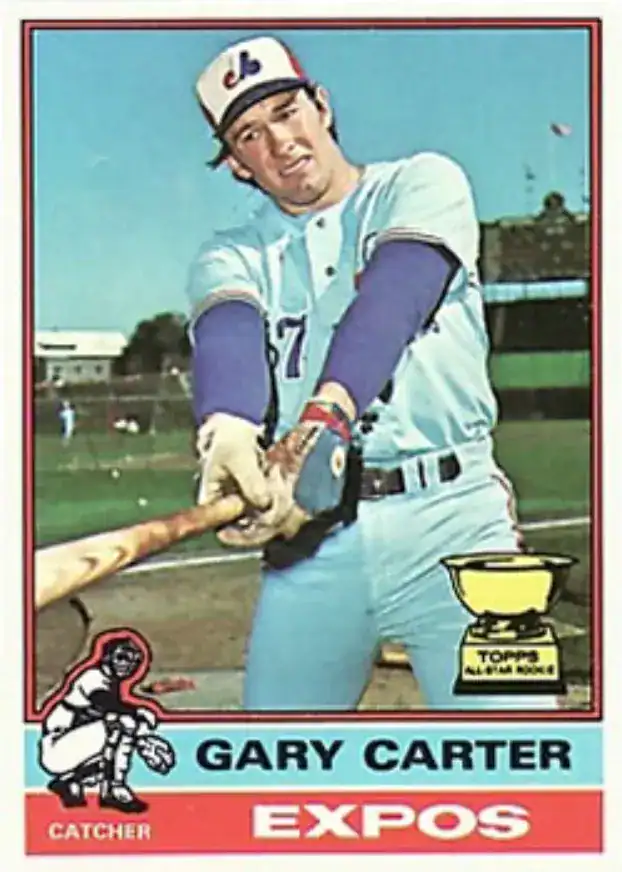
Gary Carter (#441): This was the Kid’s first solo card appearance after sharing space with other rookies the previous year, all while showcasing those iconic Montreal Expos powder blues.
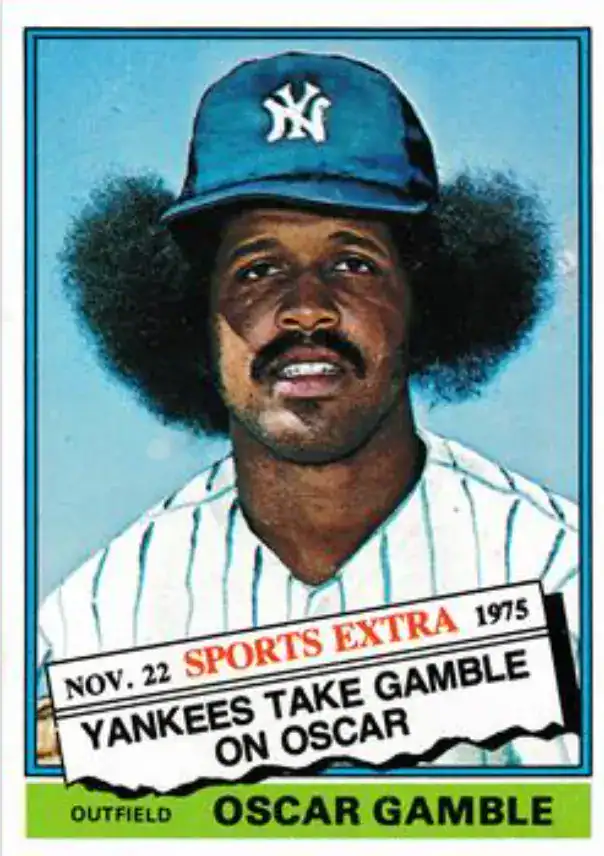
Oscar Gamble Traded (#35T): This card paid tribute to one of the most magnificent afros in sports while wearing classic Yankees pinstripes.
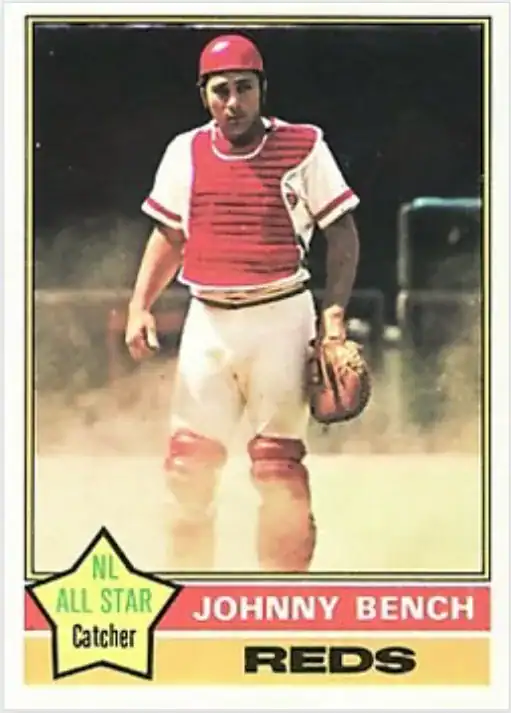
Johnny Bench (#300): The Cincinnati Reds legend was portrayed on one of the more aesthetically pleasing cards of the decade.
Dennis Eckersley’s Unique Rookie Appeal
Dennis Eckersley’s rookie card helps tell a fascinating transformation story. While collectors typically gravitate toward position player rookies, Eck’s card offers a glimpse of a future Hall of Famer before his legendary reinvention.
What makes this card particularly intriguing is the disconnect between what we see and what Eckersley became. The 1976 version shows a young starter for Cleveland, years before his dominant closer era in Oakland that would define his legacy. During his days as a starting pitcher, Eckersley accumulated seven seasons with 4.0-plus bWAR and earned two All-Star selections while finishing within the top 10 of Cy Young voting twice. Those impressive numbers often get overshadowed by his later results as a reliever.
The card’s value proposition is compelling for those seeking Hall of Fame rookie cards without the premium pricing of more celebrated issues. It’s authentic vintage from the mid-1970s, featuring clean photography and the classic Topps design elements that has made this era so great to collect.
Hank Aaron’s Cardboard Swan Song
Aaron’s 1976 Topps card carries emotional weight beyond typical collecting metrics. This was the final chapter for one of baseball’s most important careers, captured by photographer Doug McWilliams.
By the ’76 campaign, Aaron had already broken Babe Ruth’s home run record and was winding down his legendary career with the Milwaukee Brewers. McWilliams captured Aaron in his natural element. For collectors focused on historical significance, this card represents the end of an era when baseball’s greatest slugger hung up his cleats for good.
Lasting Legacy of 1976 Topps Baseball Cards
The 1976 Topps set owns a unique position in collecting history, as it represents the sweet spot between vintage authenticity and accessibility. Unlike the high pricing of earlier 1970s issues, this set offers a chance to own genuine vintage cards without breaking the bank.
What sets this collection apart is its innovation during a transitional period for Topps. The company was experimenting with new photography techniques and design elements while maintaining the classic aesthetic that defines 1970s cardboard. Features like the Bazooka Bubble Gum championship card show Topps pushing boundaries, while the Hall of Fame density (more than one in every ten cards) ensures long-term value.
The set’s undervalued status actually works in collectors’ favor. While everyone chases 1975 Topps rookies or 1977 Topps designs, the 1976 issue quietly delivers Hall of Fame content at a fraction of the cost. For serious collectors building vintage portfolios, this is one of the last opportunities to acquire authentic 1970s cards before the market fully recognizes their worth.
Love home runs? Sign up for my Substack today and start getting interesting home run-related observations straight to your inbox!